
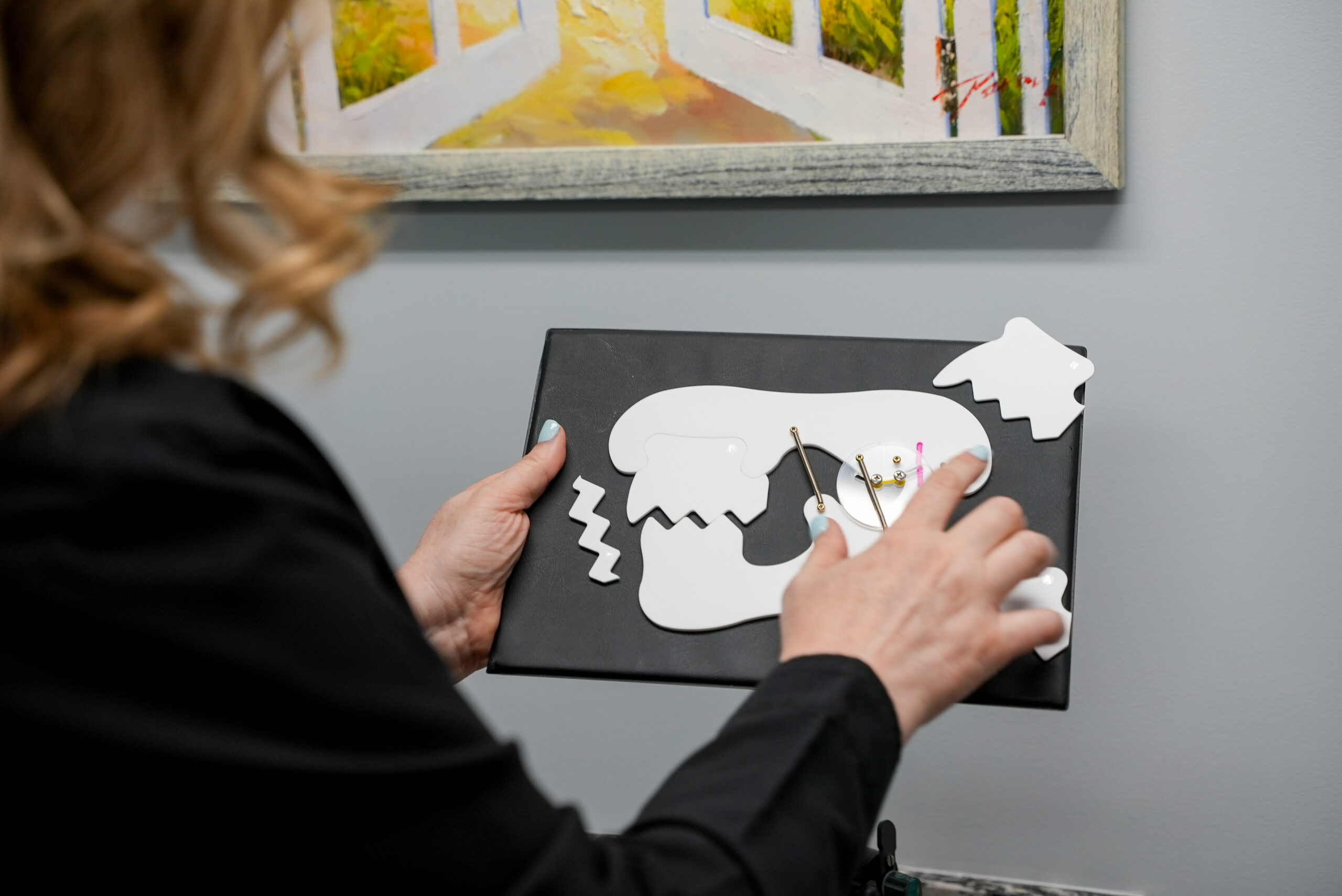
Is it TMJ or TMD?
Understanding the Confusion Around Jaw Joint Disorders
Many people have heard of jaw pain or clicking, but few understand the difference between “TMJ” and “TMD.” These terms are often used interchangeably by patients, physicians, and even some dental professionals. The confusion extends across dental websites and healthcare conversations. However, in the dental field, using the wrong term can lead to miscommunication—and potentially, the wrong treatment plan.
What Is TMJ? (Keyword: temporomandibular joint)
TMJ stands for temporomandibular joint—the hinge that connects your lower jaw (mandible) to your skull, located just in front of your ears. You use it constantly to chew, talk, yawn, and swallow. Everyone has two TMJs—right and left—just like we all have two knees or elbows.
➡️ Important Note: TMJ is the name of the joint, not a diagnosis.
What Is TMD?
When there’s a problem with the joint or surrounding structures, the correct diagnosis is TMD, or temporomandibular disorder. TMD is a collection of conditions affecting the jaw joint, the chewing muscles, and the bite.
Types of TMD include:
- Muscle-based disorders (Myofascial Pain): Inflammation or spasms in the muscles that control jaw movement
- Joint derangement: Misalignment or displacement of the disc within the joint, often causing clicking or locking
- Arthritis: Degeneration of cartilage or bone in the joint, potentially resulting in stiffness, swelling, or grinding sounds
➡️ TMD can be complex and may involve more than one contributing factor.
➡️ Important Note: TMJ is the name of the joint, not a diagnosis.
Why the Distinction Matters
Saying “I have TMJ” is like saying “I have knee”, you’re naming the joint, not the condition. Using the correct term—TMD—helps dentists and patients communicate clearly and leads to more accurate diagnoses and personalized treatment plans.
At Graceful Dental Innovations, we emphasize whole-person dentistry. Understanding the source of your symptoms—whether muscular, joint-related, or bite-driven—is essential for delivering effective, lasting care.
Signs and Symptoms of TMD (Keywords: jaw pain, TMJ symptoms, TMD treatment)
Common symptoms of TMD include:
- Jaw pain, tenderness, or stiffness
- Clicking, popping, or grinding sounds when opening or closing the mouth
- Headaches, facial pain, or discomfort in the temples
- Bite changes or difficulty chewing
- Limited jaw movement or locking
- Pain radiating to the neck, ears, or eyes
➡️ Up to 50% of patients with joint damage may not experience symptoms—which is why proper screening is essential.
Our Precision-Focused Approach to Diagnosing TMD
At Graceful Dental Innovations in St. Johns, MI, we perform routine jaw joint screenings during comprehensive dental exams. For patients experiencing symptoms—or those referred by a physician or another dentist—we offer full TMJ/TMD evaluations using advanced diagnostic tools.
Our TMD diagnostic process includes:
- Physical muscle and joint assessments during jaw movement
- 3D Cone Beam CT imaging (CBCT) for detailed visualization of jaw joints
- Digital bite force analysis to detect bite imbalances
- Joint sound evaluation using Doppler ultrasound
Dr. Amy Gentner combines this data with her advanced training in neuromuscular and functional dentistry to develop customized treatment plans. Common therapies include:
- Orthotic bite appliances (splints)
- Dietary modifications to reduce joint strain
- Collaborative care with physical therapists or specialists if needed
➡️ Our goal is always to relieve discomfort, restore healthy function, and prevent long-term damage.
Don’t Wait: Early Treatment Matters
While using the correct terminology is helpful, the most important step is seeking care. TMD can progress over time, leading to joint degeneration, chronic pain, or difficulty eating and speaking.
If you’re experiencing jaw discomfort, bite changes, or muscle tension, don’t ignore it. Call us to schedule your TMD consultation in St. Johns, or mention your concerns at your next visit. We’re here to help you take the first step toward clarity, comfort, and healing.
At Graceful Dental Innovations, we specialize in advanced diagnostics, precision-focused treatment, and compassionate care. Our team is committed to helping you understand the root of your symptoms and guiding you toward long-term relief.
With gratitude,
Dr. Amy Gentner